By Marc Tamer, Year 12
A summary of the following literature review:
Neurosurgery Advancements: From Technical Innovation to Patient-Centred Outcomes—A Narrative Review by Vianney Gilard Department of Spine Surgery, Clinique Saint Hilaire, 76000 Rouen, France
Evolution of Neurosurgical Techniques: An Outcome-Oriented Perspective
A paradigm shift has been observed in neurosurgery, moving from anatomical exploration for the removal of a tumour. We now lie in precision-based maximal safe resection of a tumour, which focuses on the preservation of the brain (especially eloquent areas) and survival. The fields of neuronavigation, awake brain mapping, and neuromonitoring continue to evolve, allowing surgeons to protect critical areas in real time, reducing the long-term impairments of the surgery. Surgery is not just defined by results, but rather by the quality of life and cognitive function after the surgery.
Image-Guided and Intraoperative Imaging Techniques
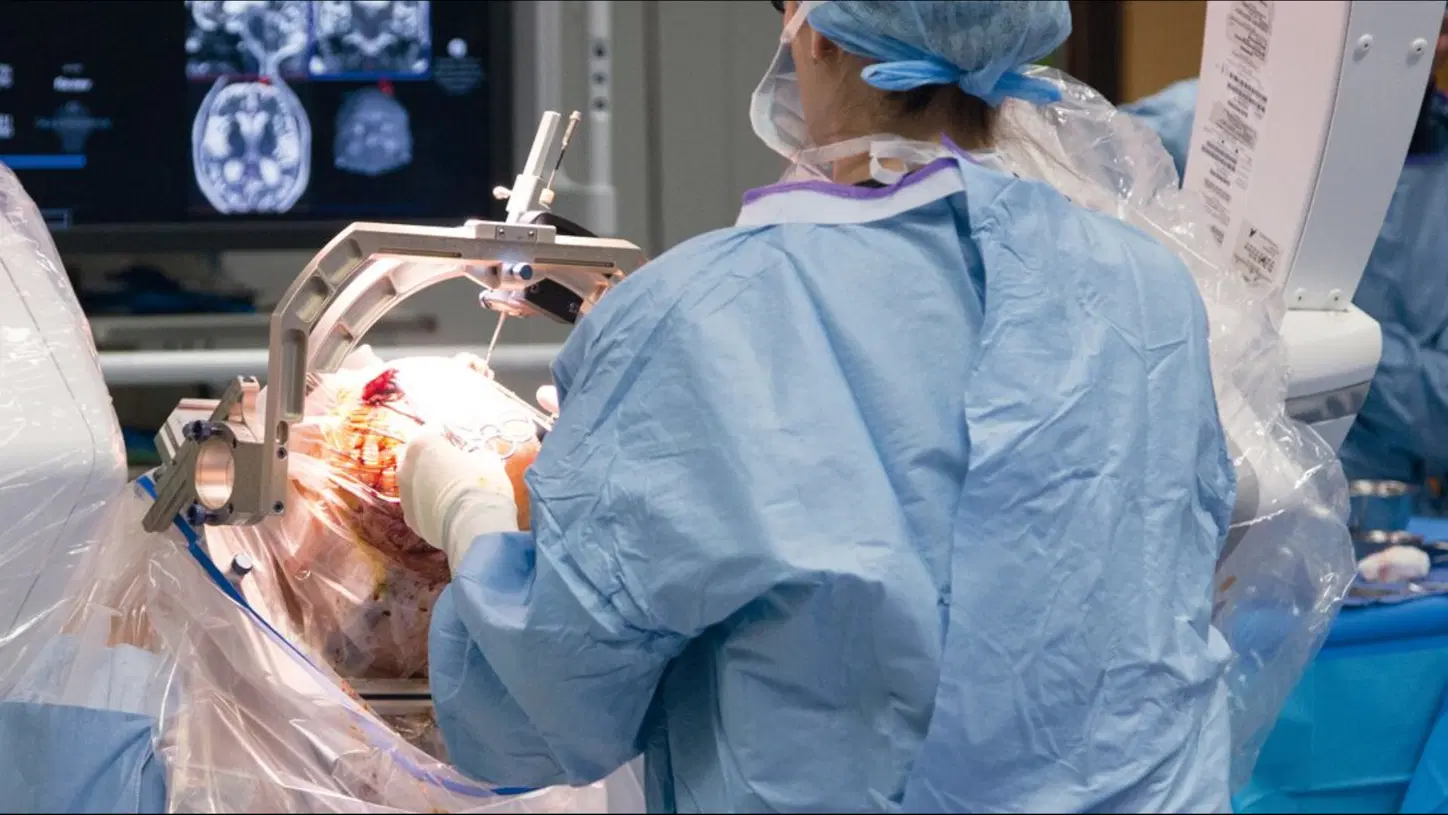
Neuronavigation and advanced imaging (e.g. fMRI) improve surgical planning, mapping critical brain structures, with the combination of intra-operative tools providing real-time feedback. This increases the possibilities of more complex tumours being completely removed, but the removal of an entire tumour does not always improve patient outcomes and quality of life. Modern neurosurgery focuses on a balance between surgical intent and complete tumour removal.
Minimally Invasive Approaches and Surgical Morbidity
Minimally invasive surgeries use smaller, more precise approaches to reduce tissue damage, speeding up recovery, all while minimising effects. Techniques such as endoscopic keyhole surgery lead to shorter hospital stays and reduced recovery. Risks with such approaches still heavily exist; this risk is very variable depending on the surgeon’s experience, and good pre-operative and post-operative care.
Measuring and Defining Meaningful Outcomes in Modern Neurosurgery
Neurosurgical success is shifting from focusing on tumour removal and survival alone to patient-centred outcomes like cognitive function, independence, and quality of life. While a greater extent of resection can improve survival, it may also cause cognitive deficits that affect real-world functioning, often missed by standard assessments. As a result, outcome evaluation incorporates neurocognitive testing and patient-reported measures, but the lack of standardisation remains a key limitation.
From Innovation to Value: Structural Barriers and the Future of Outcome-Driven Neurosurgery
Neurosurgical technology has advanced quickly, but improvements in precision don’t always lead to better patient outcomes. Challenges include limited high-quality evidence, variability between centres, and high costs. Emerging tools like AI, connectome mapping, and molecular profiling aim to personalise care. The field is moving toward more predictive, long-term, patient-centred care, but proof of real-world benefit still has to be developed.