By Marc Tamer, Year 12
New AI-powered technology is locating sperm cells… in infertile men that had none!
Infertility affects millions of people worldwide, with male infertility contributing to 50% of cases, and around 1% of those men are azoospermic. Men in this condition, theoretically, have healthy sperm cells, but very few of them, which is almost negligible, and very improbable for a couple to get pregnant, due to the low chances of these healthy sperm cells fertilising the female egg. This condition helps millions worldwide.
The power of AI could help locate this sperm, solving a major issue.
This developed AI system is known as the “star” system. This system has been in use, and the first baby born using it was born by the end of last year, a milestone in fertility medicine. This system has been used in fertility centres, and 30% of candidates were able to use their sperm to conceive when they were originally told that it would not be possible, by medical professionals.
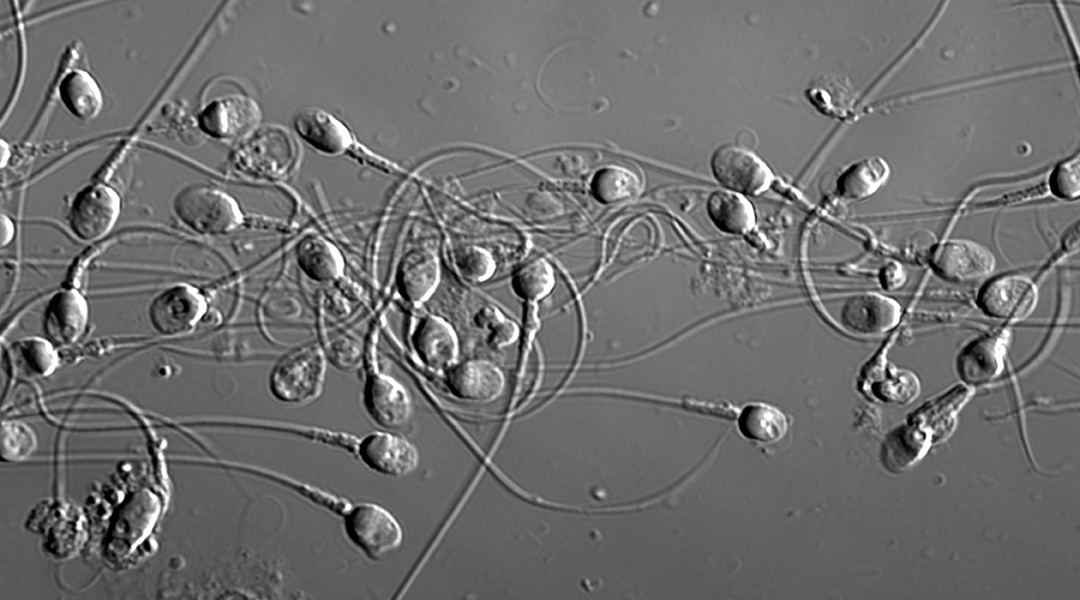
A single semen sample contains millions of sperm per millilitre; in an azoospermic sample, only one of these may be healthy, as determined by microscopic analysis, which also determines the sperm count. This AI system, developed in 2020, is analysing these samples; sometimes sperm is found, sometimes there is nothing. This system increases the chances of couples being able to carry a baby and gives hope to many. This star system has recently reached a sensitivity rating of 100%, meaning it will find remaining healthy sperm, if there is one. After it is found, the robot is able to extract the sperm cell from the sample, and the egg cell is then fertilised in vitro. They aim to further develop and improve this technology in the future, and give more hope to couples, meaning that, in the long run, donor sperm may be needed less.
For more information, visit this news article, the inspiration for this article: