By Paul Heriard Dubreuil, Year 10
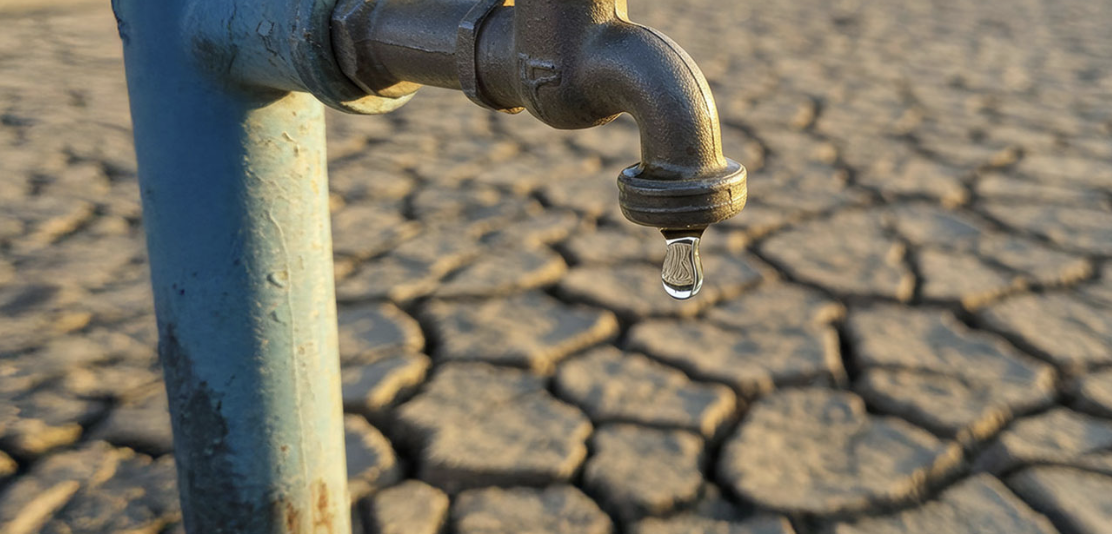
Water is life’s most crucial resource. Without water, life would not have existed. The blue gold is invaluable for us; we humans can only live 5 days without water and 70 days without food. The contradiction of all this? We humans are ignoring the depletion of our water. With climate change, population growth, and new lifestyles, our water consumption will inexorably skyrocket. Studies have already shown that more than a quarter of the population suffers from extremely high water stress [1].
Each country has its own individual share of problems about water scarcity. Therefore, it will be organized into different categories: climate change, human lifestyle, and lack of infrastructure.
To begin with, as a consequence of climate change, weather patterns are drastically changing, leading to an unbalanced amount of water in different parts of the world. What used to be a normal rain will now evolve into strong irregular storms which will extend and increase the intensity and lifespan of droughts and floods. Furthermore, with our population expected to increase by 2.3 billion people by 2050, humanity’s consumption of water will naturally follow.
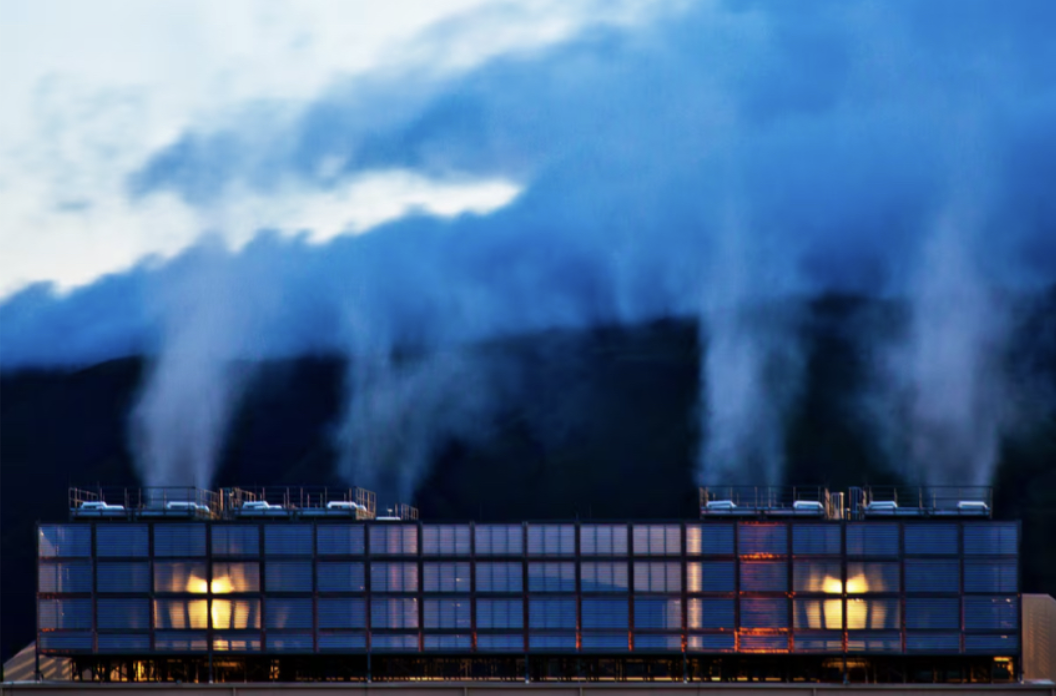
Despite this fact, our lifestyle will do the opposite to solve this. Our future lifestyles are projected to increase our water consumption per person, for multiple reasons such as we will live longer, use massively new technologies (e.g. AI) and urbanize especially in low-income countries [2]. ChatGPT alone uses more than 148 million liters per day [3]. That’s the equivalent of more than 4.5 times the daily water usage of Geneva. [4]
Last but certainly not least, we are losing an unimaginable amount of water in leaking pipes that can be easily repaired. Greece is at extremely high water stress and loses nearly half of its water due to leaky pipes and theft [1]. For a country that is constantly menaced by droughts, it is a huge problem. The fact that prices of water are closely tied to government choices means water will usually be affordable. This leads to minor profits when selling water, and therefore the companies selling the water do not have much money to reinvest in maintaining their network of pipes.
Despite all these gloomy facts, the future is not as dark as one might imagine, there is a non-negligible potential in the development of new technologies. The three major ones are desalination, cloud seeding and the harvest of atmospheric water [2]. For instance, Kuwait collects 90% of its freshwater from desalination techniques. [5] Furthermore, the cloud seeding industry was valued at 308.5 million dollars in 2024[6]. This may seem insignificant, however, it is relatively cheap to seed clouds and therefore there is no major investment needed to power the industry.
Ultimately, we need water to live and as water is becoming scarce, we
need to find solutions to counteract this in multiple ways. Firstly, by
investing massively in sustainable solutions to counter climate change,
in sensitizing the population of the danger of surconsumption, into the
maintenance of our pipes and into new technologies. All this to meet the
SDG goal N°6: access to clean, affordable water.
Bibliography:

![[7]](https://www.dutypoint.com/app/uploads/2025/04/water-scarcity-and-pump-solutions.jpg)