By an anonymous Year 11 student
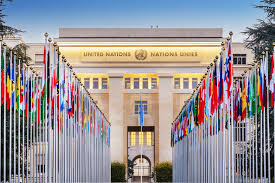
From the 27th to the 28th of November, students from years 11, 12, and 13 will take part in the 31st Student League of Nations event, held at the UN General Assembly. The two-day event brings together students from the LGB, Nations, and La Châtaigneraie campuses to discuss the submitted resolutions, practice diplomacy, and focus on key global issues.
The Student League of Nations is an annual tradition, imitating the United Nations General Assembly format, allowing Ecolint students to step into the roles of diplomats and world leaders. This year, many students will participate, experiencing formal debate and international affairs for the first time, while others are returning to continue building their skills. In preparation for SLN, students have spent the last few weeks researching their assigned nations, conditional on passing the application process, and their respective views on the four selected resolutions.
Throughout the two-day event, students will represent countries to discuss the four selected resolutions submitted by Qatar (safeguarding children in conflict areas), Australia (the development and regulation of autonomous weapons systems), France (oversight of children’s exposure to technology), and Bolivia (addressing environmentally harmful activities by UN member states). Qatar and Australia’s resolutions will be debated on Thursday, with France and Bolivia’s resolutions will be discussed on Friday.
The event will open with an inauguration speech by Ms. Tatiana Valovaya, Director-General of the United Nations Office at Geneva, followed by the traditional minute of silence. Delegates must address the Assembly formally, and debates follow traditional UN procedure, including points of information, rights of reply, and the possibility of proposing amendments during pauses called by the Chair.
The debate of each resolution follows strict UN procedure. The countries selected to present their resolutions (Qatar, Australia, France, and Bolivia) will give a seven-minute presentation, after which delegates may raise points of information (request or provide specifically relevant information as briefly as possible). Delegations that secured rights to the floor may speak for up to ninety seconds, and may request rights of reply if their nation is directly challenged, exploring the benefits and limitations of each clause and suggesting possible amendments. A speaker’s list is in place, and each country has been able to register for rights to speak on their preferred resolutions to ensure balanced representation.
An additional benefit of the event is the opportunity for students to interact with peers from other campuses, bringing a wider range of ideas into the discussions and helping students develop confidence when speaking in front of unfamiliar audiences.
On Friday the 28th, in the afternoon, the Assembly will conclude with a closing speech by Ms. Soraya Sayed Hassen, Co-Director-General ad interim, marking the end of two days of diplomacy and international cooperation.