By Henning Mueller, Year 12
Everyone is talking about how impressive the Artemis II mission was, the distance, the images, and the fact that humans are finally back near the Moon.
But what actually stood out wasn’t any of that.
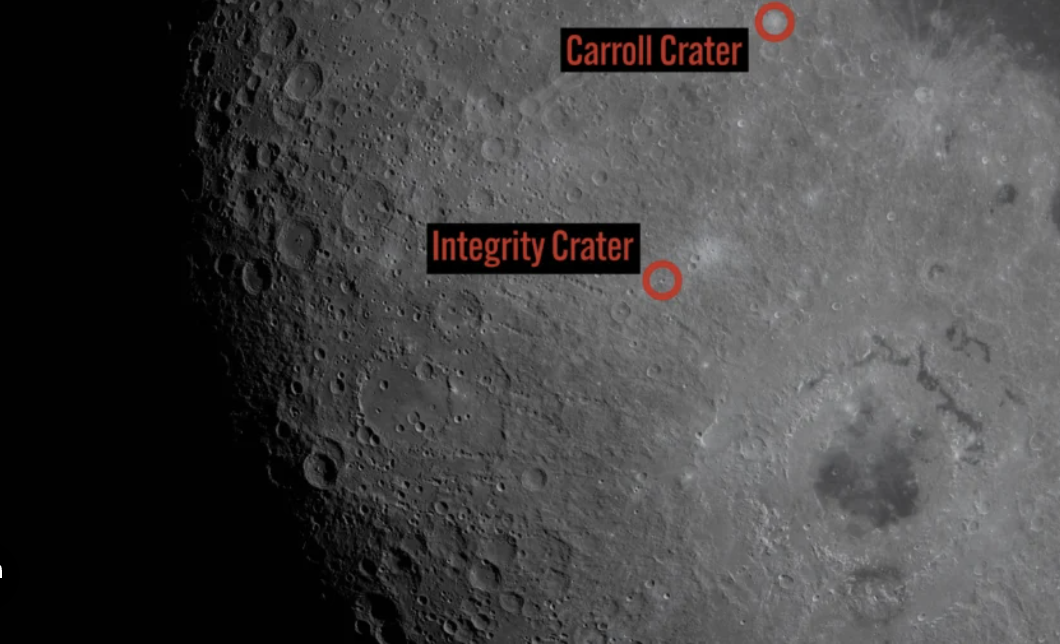
As the crew, led by Reid Wiseman, passed over the far side of the Moon, they saw craters that hadn’t been named yet. During a call with mission control, they suggested naming one of them “Carroll,” after Wiseman’s wife, who passed away in 2020.
What makes this moment different is its simplicity. In a mission built on precision, engineering, and years of planning, something personal still found its way in. The crew paused, became emotional, and even shared a moment before continuing.
It shifts the way you see the entire Artemis Program. The headlines focus on technology and progress, but this shows something else entirely. Behind every mission are people who carry their own lives with them, even into space.
The future of Artemis is still uncertain. There are delays, technical challenges, and competition from countries like China. Building a long-term presence on the Moon is far from guaranteed.
But moments like this don’t depend on timelines or success rates.
They just stay.
And in a mission meant to push humanity forward, it’s this kind of moment that makes it feel human in the first place.