By Sara Maggio, Year 12
Tourism is everywhere today and millions of people travel every year, and that number keeps growing. While it brings real economic benefits, it also causes serious problems for the environment and local communities. That’s exactly why sustainable tourism has become such an important conversation.
Sustainable tourism is about travelling in a way that actually respects nature, local culture, and the people who live there. Mass tourism, on the other hand, tends to lead to pollution, overcrowding, and real damage to natural environments. In popular destinations, huge numbers of tourists can destroy beaches, disturb wildlife, and generate incredible amounts of waste. Places can also lose their local identity entirely when everything becomes centred around tourism.
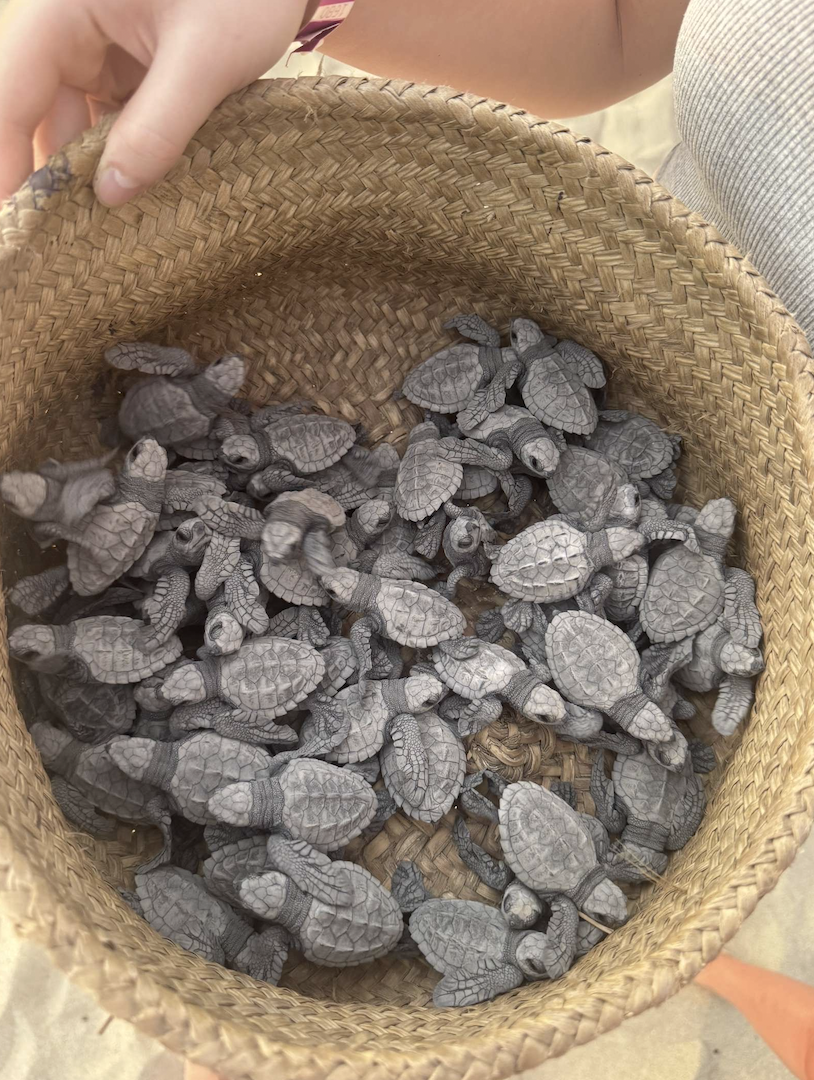
A great example of sustainable tourism done right is the work of Fundación Vive Mar in Mexico, and it’s something I got to experience firsthand through a school Spanish class trip. The organisation focuses on protecting sea turtles and their natural habitat through beach clean-ups, protecting turtle nests, and releasing baby turtles safely into the ocean. Getting to be part of that last part was genuinely one of the most memorable things I’ve done. Watching dozens of tiny turtles make their way across the sand and into the sea was such a surreal moment to be part of. It also makes you realise how fragile these ecosystems are, and how much of a difference small, consistent efforts can make.
There are plenty of ways to make tourism more sustainable. Choosing eco-friendly accommodation, cutting down on plastic use, and respecting local traditions are all things individual travellers can do. Governments also have a role to play, by limiting visitor numbers in sensitive areas and properly protecting natural sites. And education matters too, because a lot of the damage tourism causes comes down to people simply not knowing the impact of their choices.
Making responsible choices as a traveller isn’t just good for the environment; it helps ensure these places, and the wildlife in them, are still there for future generations.