By Luisa Cvintal Year 12
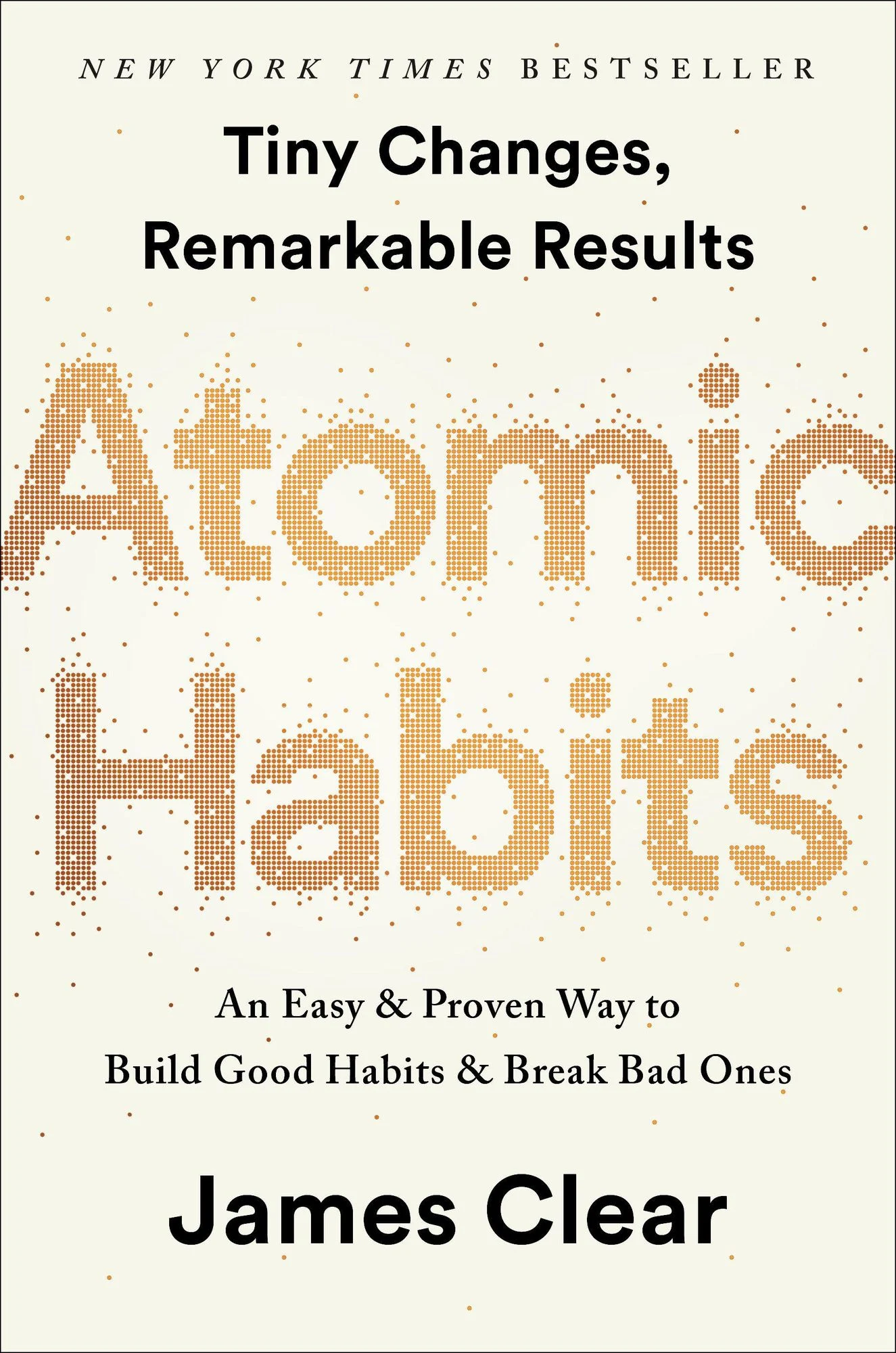
Atomic Habits, published in October 2018 by James Clear, is a New York Times Bestseller that guides and helps you to gain control over bad habits to create better ones.
This book has various strategies and methods that help you create better habits in your daily life, such as a technique called habit stacking (also known as Foggs habit stacking formula). Habit stacking is a technique that helps you engage a new habit into your day-to-day life. The author writes that the idea of habit stacking is “to tie your desired behavior into something you already do each day” (p.74). For example, he writes that if you want to improve your reading habits for the evening, there are simple ways you can work towards that habit. What you can do after you make your bed in the morning, for example, is simply place the book on top of your pillow, and then when it comes to the evening, you may be more likely to pick up the book to read because it is already there. The idea here is that it helps you to create a simple set of rules which will then guide you into your future behavior (the new habit you want to improve further on). Another example he writes about is exercise. He states that if you want to improve on exercise you can tell yourself “after I take off my work shoes (an example of a habit that you do which is taking of your shoes when you enter your apartment or house ) I will immediately change into my workout clothes” (new habit to help you motivate yourself to exercise more).
This book will also help you learn how to reach your goals smarter and not harder. The author talks about how sometimes we may feel as if we are not reaching our intended goal the way we would like to, not because of how we are working towards our goal, but because of the system that we are using. He says that, according to cartoonist Scott Adams, “goals are about the result you want to achieve, systems are what lead to those results” (P.23). He gives the example of having a messy room. He says that if you set the goal to clean it with an appropriate amount of energy to do so, you will end up cleaning it. However, if you then keep the same habits that led to you having a messy room, you will end up creating more mess. This happened because you did not focus on the system you were using to clean it.
Using the example of a sports coach the author writes a question of “ if you were a basketball coach and you ignored your goal to win a championship and focused on what your team does at practice each day, would you still get results?” (P.24) He says you would because you focused on the system by seeing how the team was practicing, rather than primarily focusing on winning (the end results) but the process being done (the system). He really shows different ways you can improve, and I, from reading the book, learned a lot through working on improving daily habits.
Lastly, is this book worth reading? If you are looking to work on self-improvement and want to learn techniques to help you create better habits, I would say yes, this is the book to give a read.