By Sofia Paola Sarandrea, Year 12
Overview of art therapy:
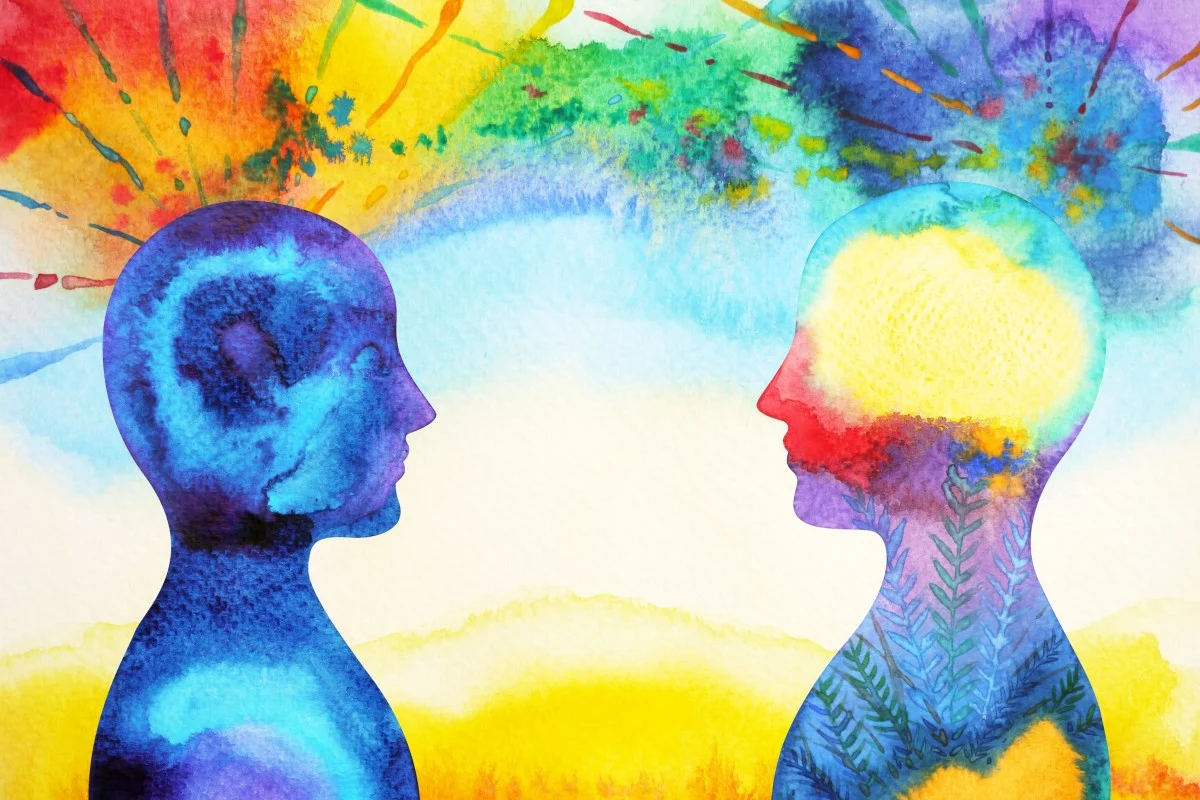
Art therapy is a therapeutic practice that uses creative activities to help individuals express themselves and better understand their emotions. Humans have long been drawn to art, holding a profound desire to create and engage with it. This desire to express ourselves creatively is strongly supported by modern science which highlights the powerful relationship between art and the brain. Art therapy uses this, combining art with psychology, and allowing people to communicate in ways that words sometimes can’t quite capture. Through activities such as drawing, painting or sculpting, art therapy provides a safe space, allowing for healing and self-discovery to take place.
Historical development of art therapy:
Art therapy holds its roots in ancient civilizations, where art was used both for healing and communication. In the 20th century, art therapy gained recognition as a formal therapeutic practice, particularly after World War II when it was used to help soldiers cope with trauma from the war (such as PTSD). Key figures like Margaret Naumburg (American psychologist and educator) and Edith Kramer (Austrian painter) played significant roles in establishing art therapy in the psychology field.
How it works:
Art therapy works by helping individuals engage in creative activities that promote self-expression. A trained art therapist guides clients through the process, helping them explore their feelings and experiences. The artwork created during sessions then serves as a tool for discussion and reflection, subsequently allowing clients to gain insights into their thoughts and emotions.
Is it effective?:
Research has shown that art therapy can be effective in reducing symptoms of multiple mental health challenges such as anxiety, depression and trauma. Many patients have reported feeling more relaxed and open after partaking in art therapy. A study published in The Arts in Psychotherapy revealed that 81% of patients who partook in art therapy reported improvement in their overall psychological wellbeing and health. Overall, the creative process can help create a sense of empowerment and improve overall well-being, making it a valuable and unique approach compared to traditional therapeutic approaches.
Sources: