An interview with my Grandmother, a woman who experienced life under communism
How can we learn from the past, and learn to improve? This article dissects the school system under communist rule in Czechoslovakia, today known as the Czech Republic, and Slovakia. I decided to interview my grandmother, while not a famous, or well-known person, one’s whose voice can inform a thousand more. A primary source of how the families of Eastern Europe viewed the education system, and their approach to teaching their future generations.
What has changed the most in the education system between back then and now?
“Actually, a lot has changed. The system used was noticeably different. Schools back then in Czechoslovakia used to be heavily communist-leaning, unlike schools today which are mostly politically neutral. The curriculum was also heavily influenced by the political standards at that time.”
How did the lessons work?
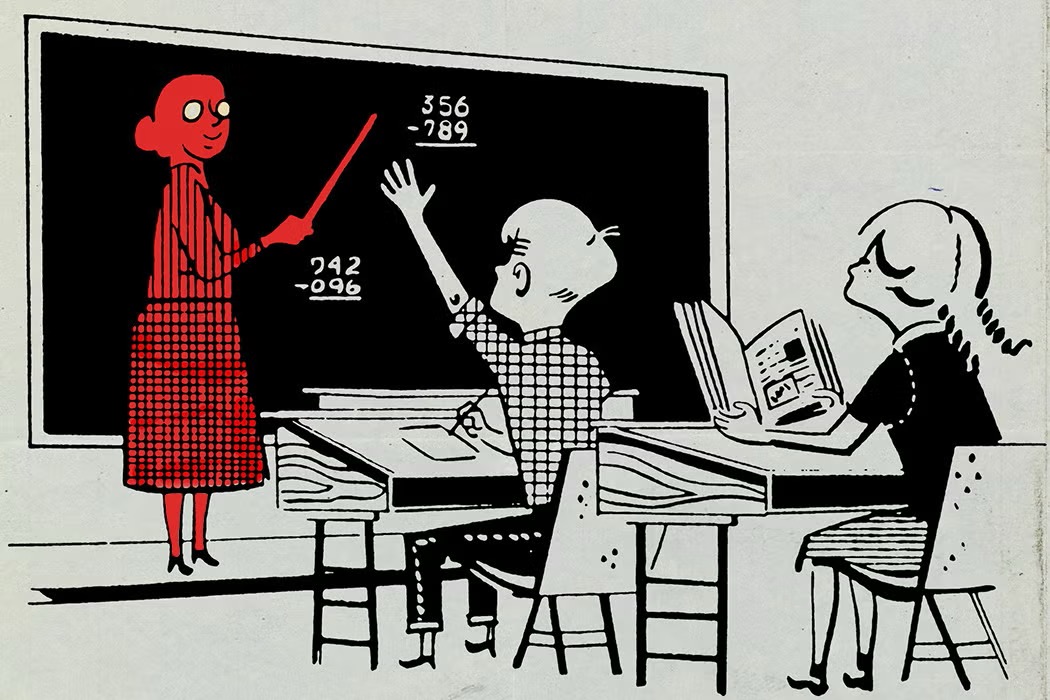
“They expected us to listen carefully, and memorize material, it wasn’t based on questioning what we were being taught, it was about following it obediently. We did learn everything about our country [Czechoslovakia], but we also learned about neighboring states. After learning our mother tongue, we were forced to either learn Russian, or German, but that wasn’t so bad. “
“Kids, like to this day, were mischievous even under strict systems. They rebelled, disrupted during the lessons, but what can you do, they’re children after all.”
Were grades as important as today? Did the expectations change during the years?
“Yes, they were as important–I’d even say more important than today. If you didn’t get good grades you were seen as a ‘failure’. They were the only way of evaluating how successful you would be in the future. Categories like creativity, or passion didn’t really matter if it didn’t affect your report card. Additionally, if you weren’t the son, or daughter of a high-ranking official, you would have to try twice as hard to get the same opportunities.”
What was your favorite part about school?
“Honestly, the best parts about school were the holidays, due to the heavy workload of the curriculum, which was memorizing upon memorizing–getting a break was important. Seriously speaking, however, physical education was something which I really enjoyed. We played games, and learned about different sports. They were a little more free than the other lessons, but still required quite a bit of effort.”
What tips would you give to children in schools today?
“Study, but don’t forget to have fun. Be grateful for the system you were provided with and the fact how schools have changed over the years. I believe today’s system is much better. It allows for children to ask questions and challenge the system, that was missing during my days. You’re young and have many opportunities, use them and don’t waste your time, you only live once and I realized that a little too late.”
Let’s not forget to be thankful for the schools and opportunities we have, but also not forget about those who experienced the old systems, and still held up so that their children could have the chance to change the world for the better. After all, we’re in this together.
By Alexander Marcus Kucherenko, Year 10