By Alexian Cabri, Year 12
When we think about sustainability, we usually picture things like solar panels, recycling bins, or electric cars. But there’s a new kind of sustainability movement growing — one that’s about protecting nature through finance. It’s called biodiversity finance, and it’s changing how businesses and governments think about the environment.
So, what exactly is biodiversity finance?
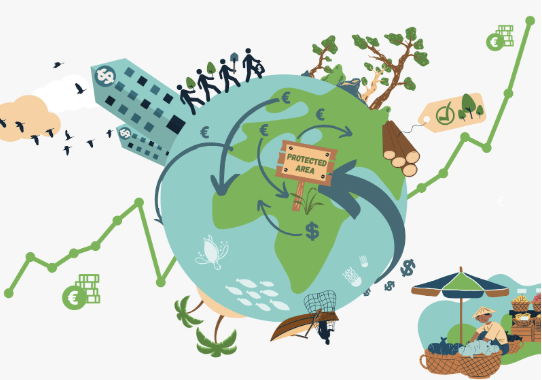
It’s basically the idea that protecting nature isn’t just a moral choice — it’s also an economic one. Forests, oceans, and ecosystems provide “services” we depend on every day: clean air, fresh water, food, and even stable weather. When nature disappears, these services break down — and that’s a problem for everyone, including businesses.
That’s where biodiversity finance comes in: it’s a way of investing money into nature to protect and restore it. For example:
- Governments and banks are starting to issue “biodiversity bonds”, where investors fund projects like reforestation or coral reef restoration.
- Some companies are setting “nature-positive” goals, aiming not just to cause less harm, but to actively improve the environment.
- Technology is helping — satellites and AI can now track changes in forests and oceans to make sure projects are actually working.
Why it matters
Biodiversity finance matters because it connects two worlds that used to be separate: nature and business. For a long time, protecting the environment was seen as something that slowed down the economy. Now, more people are realising that the economy depends on the environment.
If ecosystems collapse, industries like farming, tourism, and even technology (which relies on natural resources) suffer. So investing in nature isn’t just good for the planet — it’s smart economics.
The challenges
Of course, this isn’t an easy fix. Measuring “biodiversity” is much harder than measuring carbon emissions, because it involves everything from insects to trees to coral reefs. There’s also the risk of greenwashing — when companies claim they’re helping the planet just for marketing.
And since many biodiversity hotspots are in poorer countries, there are big questions about fairness and who actually benefits.
Why students should care
This may sound like a business-world problem, but it’s our generation that’s going to live with the consequences of how nature is treated. Understanding how finance and sustainability connect helps us see that real change happens not just through protests or politics, but also through innovation, economics, and creativity. Whether you’re into economics, biology, or global issues, biodiversity finance is something worth paying attention to. It’s a new way of thinking about the future — one where saving the planet isn’t just a cost, but an investment.