By Ines Leach, Year 11
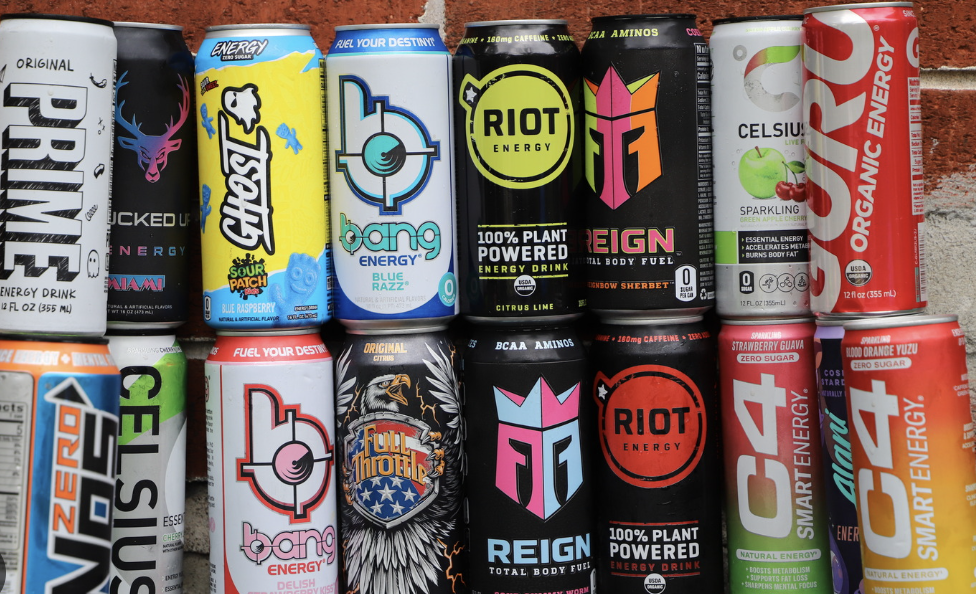
Here at LGB, it is common to see many teens who are walking around with cans of Monster, Red Bull, and various other energy drinks. Due to social media, energy drinks have become a symbol of focus, staying awake, and loads of fun. But the bigger question is, at what cost? Whether it’s cramming for exams or assignments due the next day, people enjoy the idea of having a drink that allows them to stay up as long as possible. They have been advertised as “boosts” (the Redbull campaign) for energy, focus, and overall higher academic performance. At any supermarket, corner shop, or vending machine, they’re available anywhere. Despite these drinks being super trendy, they can result in serious health damage, both mentally and physically.
Following the physical health effects, these drinks of terror have many. Firstly, energy drinks contain a tremendously high level of caffeine (def of caffeine) and sugar, with some drinks like Red Bull containing more than three cups of caffeine in a single can (80 mg of caffeine in one can!). According to the American Academy of Pediatrics, adolescents should not exceed the limit of 100mg of caffeine, which two of these energy drinks almost double! Now, say a teen was to perhaps exceed this limit, even just by 20-40 grams, they are likely to experience hospitalizing effects, including but not limited to: heart palpitations (describe), high blood pressure, sleep disturbance, dehydration, and jitteriness. Now, to also point out, the bodies of teens are constantly developing, especially vital organs such as the heart, which, if overworked, can cause strain on it throughout the rest of someone’s life.
In addition to all of this, high amounts of caffeine have been notably linked to affecting a teen’s mental health. Many studies have shown how caffeine can increase the chances of developing anxiety, restlessness, irritability ( and overall mood swings). Many students also experience “crashes” when the caffeine and sugar wear off, leaving them to feel extremely drained, moody, and unable to focus. Other studies also show how teenagers who regularly drink energy drinks, specifically Red Bull and Monster, are more likely to develop sleeping problems like insomnia, leading to poor sleeping, making it harder to perform academically, concentrate, and control their emotions during the day, resulting in wanting more energy drinks, and the vicious cycle continues. Since the teenage brain is still developing, the constant overstimulation from caffeine and sugar will affect their learning, memory, and, as mentioned, emotional balance. All these together lead to a cycle of anxiety, poor sleep, and mental drain.
The last major reason for this major energy drink craze among teens is due to the social pressure and the very clever marketing. All these popular brands use flashy and bright packaging, catching many teens’ eyes. Not only but they use famous influencers to make their products seem super cool and as if the most influential people adore them. Ads often show athletes, especially Red Bull, drinking it and promoting it, making teens believe they can perform as well if they drink the same drink. In schools, you can see friends drinking energy drinks and talking about how good they feel at that moment, only creating pressure on others to join in, even those who know how unhealthy it is. The major problem is how these big companies hide the real danger of high sugar and caffeine behind catchy slogans about energy and confidence. As one Red Bull slogan says, “Red Bull gives you wings,” directly showing teens how their drink leads to better performance. As a result, millions of teens have an unhealthy addiction to energy drinks without actually realizing how they are putting their health at major risk just to keep up with a trend.
Energy drinks may seem harmless, a quick and easy way to feel more awake, energetic, or to keep up with their friends, but their long-term effects are far from harmless. They can leave permanent physical health problems, heart problems, jittering, and even more mental health issues, all while creating unhealthy habits that cannot be broken quickly. The truth is, these drinks do not give you any energy; they borrow it from the body and mind, hence why both are exhausted later. Teens need their proper rest, nutrition, and balance, not a quick chemical boost to get them through the day and temporary energy. If teens ate more fruits, drank more water, and got a good night’s sleep, it is a much smarter resolution, and long-term healthy solution, to protect their mind and body for the future.