By Myungjong Kang, Year 12
Digestion is something we experience every day, yet many of us barely think about how it actually works or how much the foods we choose can affect it. For high-school students managing classes, sports, stress, and unpredictable eating habits, understanding digestion isn’t just a biology lesson; it’s a guide to feeling better, staying energised, and avoiding problems later on in life.
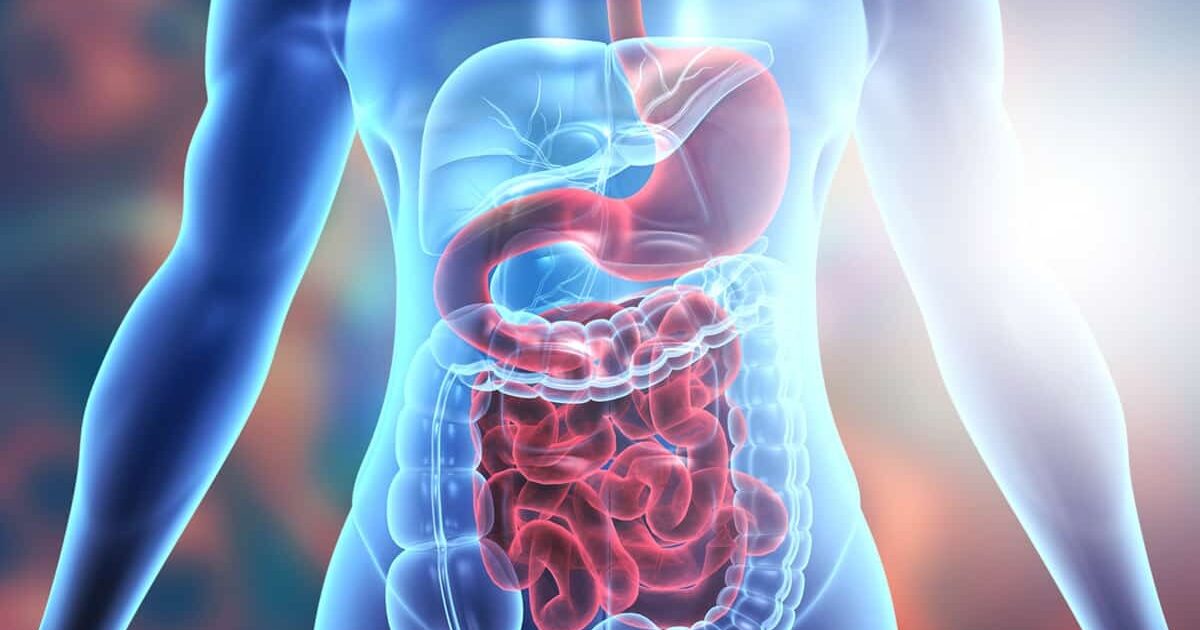
At its core, digestion is the process by which the body breaks down food into nutrients it can use. It starts the moment food enters the mouth, where enzymes in saliva begin breaking down carbohydrates. From there, food travels down the oesophagus into the stomach, where acids dissolve proteins and kill most bacteria. The small intestine then absorbs nutrients into the bloodstream, while the large intestine removes water and prepares waste to leave the body. It’s a complex chain of events, and the types of food we eat can support or disrupt every step.
Different categories of foods have very different effects on digestion. Fibre-rich foods, such as fruits, vegetables, and legumes, play a crucial role. Fibre helps move food smoothly through the digestive system and prevents constipation, one of the most common digestive issues among us teenagers. It also supports immunity and overall health. On the other hand, diets low in fibre, especially those consisting primarily of fast food or processed snacks, slow digestion and lead to bloating, discomfort, and irregular bowel movements.
Proteins also influence digestion, but in a different way. Lean sources such as chicken, fish, tofu, and eggs are generally easy for the body to break down and provide essential amino acids that help repair tissues. However, large amounts of red or processed meat, such as beef, pork, and lamb, can be harder to digest and may sit in the stomach longer, leading to sluggishness. Balancing protein sources helps keep digestion smooth and energy levels steady.
Fats, often blamed for digestive problems, are not all harmful for our bodies. Healthy fats such as those found in nuts, avocados, and olive oil are essential for nutrient absorption and help keep you full for longer. But greasy, fried foods can overwhelm the digestive system, triggering heartburn or stomach aches. Many students experience these symptoms during busy school days, often because eating patterns are rushed and inconsistent.
Even carbohydrates vary widely in how they affect digestion. Simple carbs, like sugary drinks, sweets, and white bread, are digested quickly and can cause rapid spikes and then crashes in energy. Complex carbs, found in whole grains, oats, and brown rice, digest more slowly, offering sustained energy that can really help during long school days.
Hydration is another subtle but critical factor. Water is required for almost every stage of digestion, from breaking down food to moving it through the intestines. Students who rely mostly on coffee, tea, or energy drinks may experience dehydration without realising it, which slows digestion and increases the risk of cramps or constipation.
Stress, sleep, and daily habits also shape digestive health. As a high school student myself, I know firsthand that our schedules often involve late-night studying, inconsistent meals, and stress from academics or sports. All of these can disrupt digestion, as the brain and gut are closely connected through what scientists call the “gut-brain axis.” Poor sleep and chronic stress can lead to nausea, stomach discomfort, acid reflux, or changes in appetite.
So what can students do to maintain healthy digestion? Start with small, manageable habits: include more fruits and vegetables in meals, choose whole grains over refined ones, drink enough water throughout the day, and never skip breakfast! Eating slowly also helps the body digest food more effectively. Listening to your body’s signals, such as hunger and fullness, also supports long-term digestive health.
Understanding digestion isn’t just about biology facts; it’s about making everyday choices that help us feel and function better. For high-school students, developing these habits now lays the foundation for a healthier, more energetic future.
Works Cited
Diabetes. “Your Digestive System & How It Works.” National Institute of Diabetes and Digestive and Kidney Diseases, NIDDK – National Institute of Diabetes and Digestive and Kidney Diseases, 2017, www.niddk.nih.gov/health-information/digestive-diseases/digestive-system-how-it-works. Accessed 7 Dec. 2025.
“Fiber • the Nutrition Source.” The Nutrition Source – Harvard Chan School, 18 Sept. 2012, nutritionsource.hsph.harvard.edu/carbohydrates/fiber/. Accessed 7 Dec. 2025.
“Healthy Eating Plate • the Nutrition Source.” The Nutrition Source – Harvard Chan School, 18 Sept. 2012, nutritionsource.hsph.harvard.edu/healthy-eating-plate/. Accessed 8 Dec. 2025.