By Paul Heriard Dubreuil, Year 10
Circular economies are essential for conserving resources, reducing pollution, and preserving the planet so that future generations can meet their own needs. However, in practice, they are still failing in many respects. The challenges range from excessive resource consumption and low recycling rates to the high costs of recycling infrastructure and the lack of advanced technology. This essay will explore the main obstacles preventing the successful implementation of a circular economy.
Firstly, a circular economy aims to extend the life cycle of products by reducing waste, which plays a key role in achieving a sustainable future and meeting the goals of the Paris Agreement. The industrial sector produces around 6.5% of global greenhouse gas emissions, excluding emissions from energy production. When emissions from waste are included, this figure rises to approximately 8% of global emissions, making it the second-largest emitting sector after energy production. In landfills, methane, carbon dioxide, and other greenhouse gases are released as bacteria break down waste materials. Adopting a circular economy could significantly reduce these emissions. It would also help protect ecosystems, conserve natural resources, extend product lifespans, and strengthen the economy by reducing dependence on scarce raw materials. Therefore, a circular economy is vital for a sustainable future.
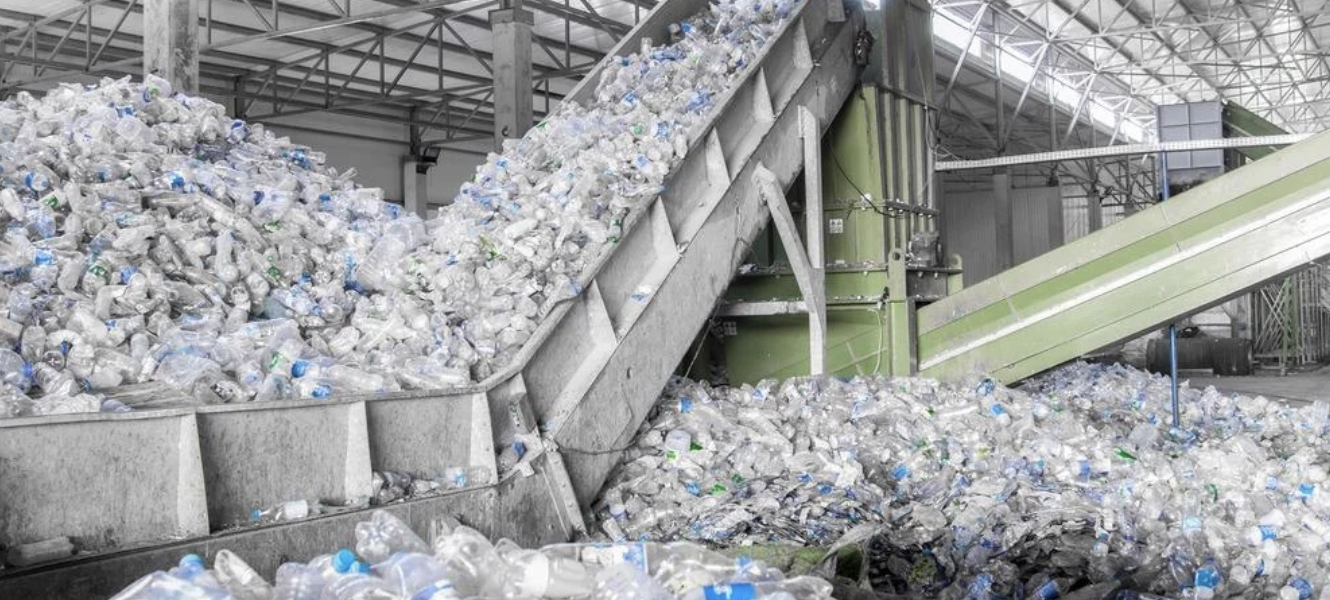
However, achieving a circular economy would require a reduction in consumption. Overconsumption is overwhelming existing recycling systems. Unfortunately, recycling rates are decreasing instead of increasing. For example, enough plastic is thrown away each year to circle the Earth four times, yet only about 9% of it is recycled. The main issue is that consumption is increasing faster than our capacity to recycle materials effectively.
Another major obstacle is the lack of recycling infrastructure. Building recycling plants is extremely expensive, with costs ranging from 2 million to 30 million for a single facility, not including operational costs. A plant costing 30 million can process around 500 tonnes of waste per day, which corresponds to the waste produced by approximately 273,000 people in Switzerland. Despite this, recycling plants often struggle to make a profit. This is because the price of virgin plastic fluctuates with oil prices, forcing recycled plastic prices to follow the same trend. When oil prices are low, recycling becomes unprofitable. As a result, companies and startups are reluctant to invest in recycling infrastructure due to high initial costs, low profit margins, and financial instability.
Finally, the technology required to make recycling cheaper or more profitable than using raw materials is still insufficient. In most cases, products made from recycled plastic, glass, or other materials are not cheaper than those made from new resources. There are some exceptions, such as aluminium cans, which are highly profitable and often referred to as the “gold of recycling.” However, many materials, including batteries, are still not profitable to recycle in Europe, despite rising demand and prices. Although technological progress is being made, large-scale, efficient, and profitable recycling remains limited.
In conclusion, overconsumption, insufficient infrastructure, low profitability, and limited technological development are major obstacles to the implementation of a circular economy. Addressing these issues is essential if we want to achieve a net-zero future and ensure that future generations have access to sufficient resources. As Kenneth E. Boulding once said, “Anyone who believes that exponential growth can go on forever in a finite world is either a madman or an economist.”