Interview with Jamil Chade, an award-winning journalist from Brazil
By Pol Hurtado Chade, Year 10
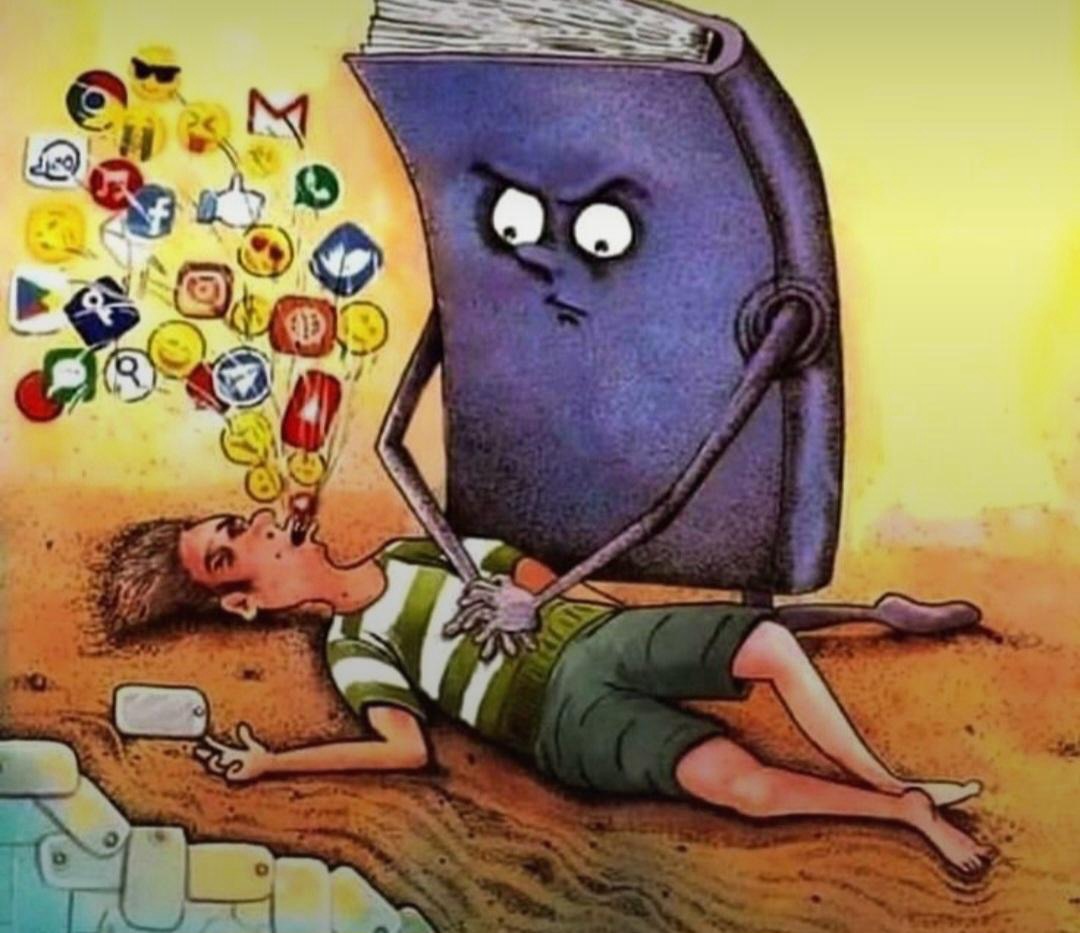
Misinformation is an immense problem on social media platforms such as TikTok and Instagram. It can have tremendous consequences if left unchecked. But if we wish to stop it, we must first understand it.
This is why I sat down with award-winning Brazilian author and journalist Jamil Chade. Chade is a member of the Freedom of Expression Commission of the Brazilian Bar Association and the former president of the Foreign Press Association in Switzerland. I spoke with him to learn how and why misinformation spreads so quickly and how it can be weaponized by ill-intentioned individuals.
What is the main way misinformation spreads today?
“The main way misinformation spreads nowadays is through social media. Apps like TikTok, YouTube, and Instagram have become hotbeds for false information to travel like wildfire.”
What allows misinformation to spread so quickly?
“A major factor is the lack of regulation on social media platforms. False or deliberately misleading news can be distributed to millions of people with almost no oversight. Because posts and videos are unregulated, anything can thrive and be taken as truth. Studies have shown that a piece of misinformation is six times more likely to spread than verified news. This unrestricted lying influences public opinion, often shaping people’s beliefs based purely on falsehoods.”
Do social media platforms and their algorithms contribute to this problem?
“Absolutely. Algorithms are designed to prioritize content that evokes strong emotions—fear, indignation, or hatred—over neutral or positive content. Politicians and other influential figures deliberately craft messages that provoke these reactions, knowing that whether the information is true or false is irrelevant. Because there are few consequences for spreading lies online, these actors can manipulate public opinion on a massive scale, unchecked.”
What are some of the real-world consequences of misinformation spreading through social media?
“Even though social media is relatively new, the consequences have been devastating. One of the clearest examples is the killing of the Rohingya, an ethnic minority in Myanmar. In 2017, incendiary content and false information circulated widely on platforms like Facebook, portraying the Rohingya as dangerous outsiders and fueling hatred toward them. This online hostility translated into real-world violence: homes were destroyed, people were targeted, and thousands of lives were lost. False narratives were amplified and repeated millions of times. If social media platforms such as Facebook, had regulated content more effectively, thousands of lives could have been saved.”
Are platforms now doing more to regulate misinformation and hate speech to prevent such atrocities?
“There have been attempts, but progress is slow and often inconsistent. Some platforms have introduced fact-checking tools and stricter content moderation policies, but these measures are reactive rather than preventive. The recent sale of X, formerly Twitter, to Elon Musk illustrates the problem perfectly. Under new management, there has been a clear shift toward prioritizing “free speech” over responsible moderation. This has led to the loosening of rules around misinformation and hate speech, creating an environment where false and harmful content can thrive once again. The truth is that social media platforms hold enormous power over public discourse, but they are not being held fully accountable for the damage that misinformation can cause. Without stronger regulations and consistent enforcement, we will continue to see online lies spill into the real world, sometimes with tragic consequences. The Rohingya crisis is just one example, and unless platforms take responsibility, similar situations are likely to happen again.”
Social media has undoubtedly transformed how we communicate, but with that power comes enormous responsibility. As Jamil Chade warns, understanding how misinformation spreads is only the first step. Without accountability, regulation, and conscious design choices, these platforms will remain a dangerous tool in the hands of those seeking to manipulate truth and incite harm.