By Tristan Fleck, Year 12
When we talk about sustainability, we usually think about renewable energy or recycling, but we rarely think about what’s in our wardrobes. Fashion is something nearly everyone takes part in, and it has a much bigger environmental impact than most people realise. That’s why sustainable clothing has become such an important part of the sustainability conversation.
The hidden cost of fast fashion
Fast fashion brands release new styles all the time. The clothes are cheap and easy to buy, but the environmental cost is huge. The fashion industry produces around 10 percent of global carbon emissions, uses huge amounts of water, and creates mountains of waste. Most items are worn only a few times before being thrown away, and much of this ends up in landfills or gets shipped to countries that never asked for it.
What sustainable fashion actually means
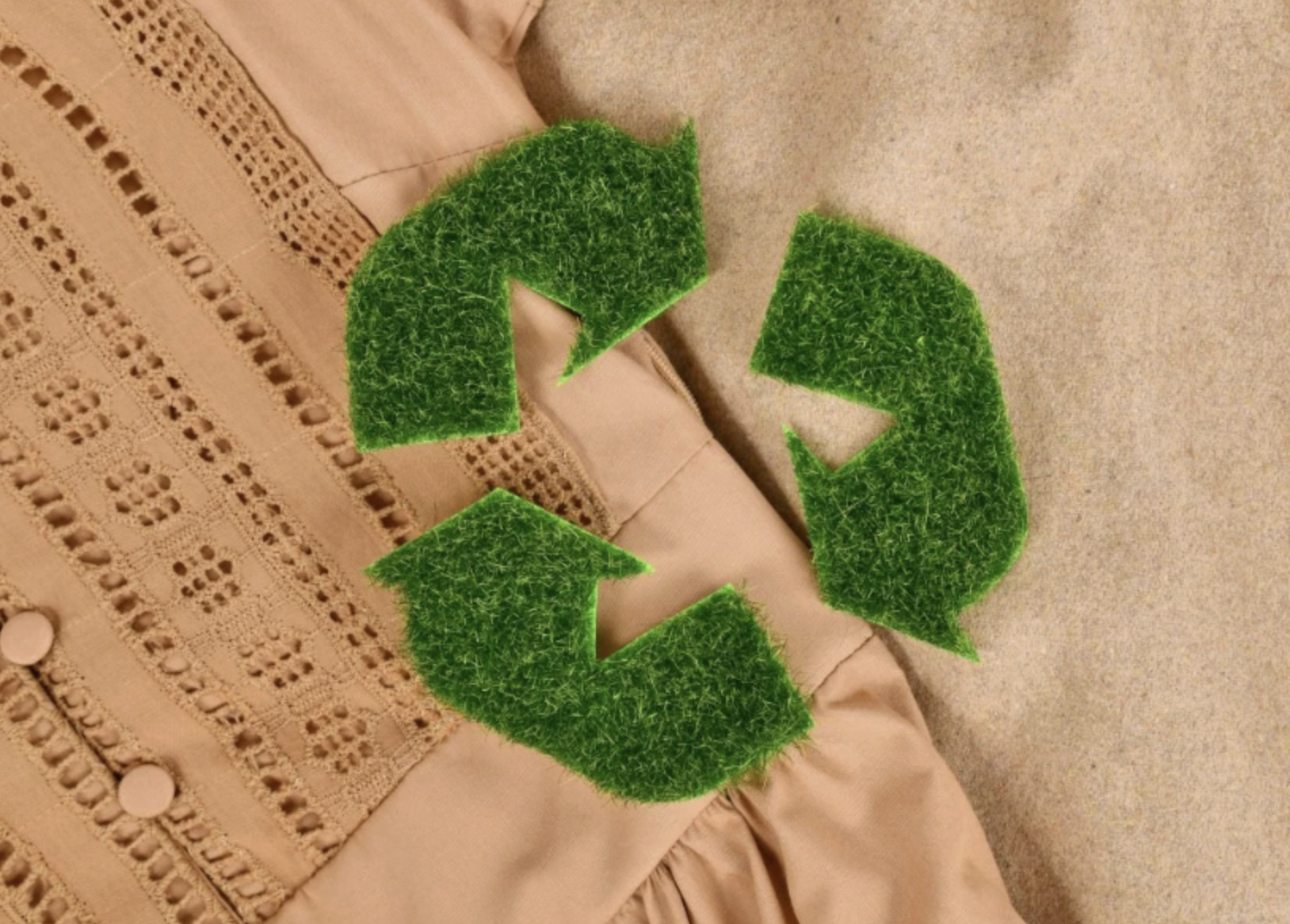
Sustainable fashion tries to reduce the damage caused by how clothes are produced. It focuses on better quality materials, ethical manufacturing, and avoiding unnecessary waste. It also encourages people to buy fewer items that last longer instead of lots of cheap pieces that fall apart quickly. Some brands are even trying circular production, where old clothes are turned into new ones rather than being thrown out.
A small example inside our own school
At LGB, Loop is an example of how students can look at clothing differently. Instead of producing huge quantities, the brand works in small batches, so there is almost no leftover stock. The aim is to avoid waste from overproduction, which is one of the biggest problems in fashion. Loop focuses on better materials and durability, so the pieces last longer and don’t just get thrown away after a few months. It’s not about being a fully sustainable company, but about making better choices that reduce waste and make students think about where their clothes come from.
Why it matters
Fashion might seem like a small issue compared to things like climate change or global politics, but the industry is massive. If more brands improved how they produce and more consumers made conscious choices, the impact would be significant. For example, making one cotton T-shirt can use more than 2,000 litres of water. Small changes at every level add up.
The challenges
The biggest challenge is cost. Sustainable materials and ethical production are more expensive, which is why fast fashion remains so popular. There is also the problem of greenwashing, where companies make themselves look environmentally friendly without real action behind it.
Why students should care
Young people shape trends more than anyone else. We influence social media, we buy the most clothes, and we keep the fast fashion cycle going without even realising it. That also means we can push it in the other direction. Choosing quality over quantity, reusing clothes, or supporting smaller responsible brands all make a difference. Sustainability isn’t only about big international decisions. Sometimes it starts with something as simple as the choices we make when we get dressed in the morning.