By: Noor Khan Mallach

While in the west, the New Year is celebrated on the 1st of January every year, not all countries around the world do it the same way. Many countries in Asia for example have their own traditions that are coming up soon, such as Vietnam and China. Today, lets focus on the Chinese New Year that is starting on the 17th of Febuary and goes on for 15 days. Here are 3 important facts on this massive festival:
- The Chinese New Year date is chosen according to the moon phase
Also referred to as the Lunar New Year, the festival’s schedule runs on the Chinese calendar, which takes into account the moon cycle. While every year the date changes and has not always followed the pattern, 96% of the time this Chinese festival starts on the second new moon after the winter solstice. The winter solstice starts on the 21st of December, meaning the start of the Chinese New Year is normally between the 21st of January and the 20th of February.
- Each year is associated with an animal in the Chinese zodiac
Since the very beginning of this tradition (about 3500 years ago), each year is represented by one of the 12 animals in the Chinese Zodiac; Rat, Ox, Tiger, Rabbit, Dragon, Snake, Horse, Goat, Monkey, Rooster, Dog, and Pig. Additionally, each animal have certain personality traits. For example, 2026 is the year of the horse, which has the personality traits of being animated, active, and energetic. The order above is the sequence and is always the same, meaning 2027 is going to the goat year!

- The “symbol” of the festival as a whole is the dragon
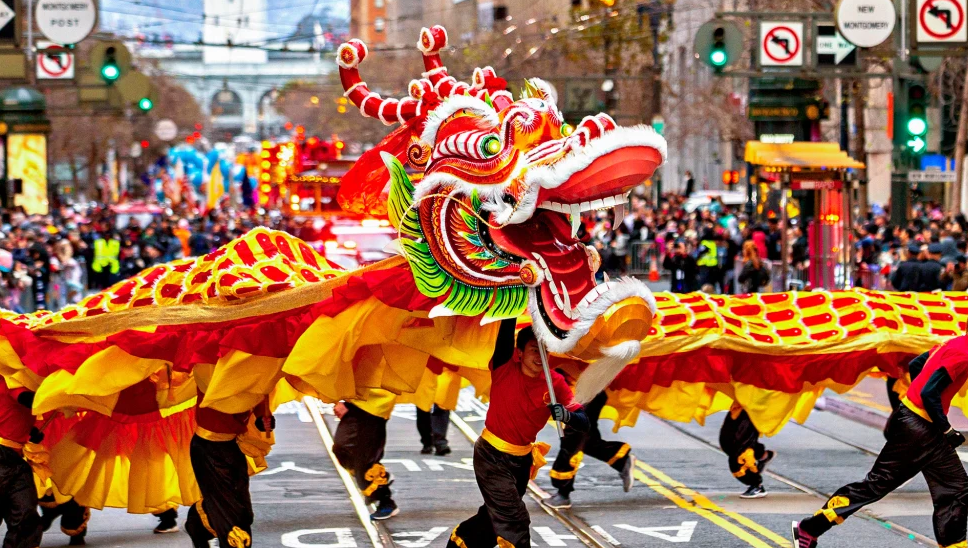
In China as a whole, the dragon is an extremely important symbol. It often represents power and prosperity for the people, acting as a beacon of hope. Back in the olden times, emperors were said to be descendants to dragons, which gave them imperial power and what we know today as legitimacy. The mythical animal was said to bring abundance and renewal by bringing rain for the harvest and other water associated benefits. In modern day festivals, as a sign of respect, people do the dragon dance. They dress in vibrant colors, play the drums, mimic a dragons movement, and show their pride for their “deity”.