Noor Khan Mallach, Year 11
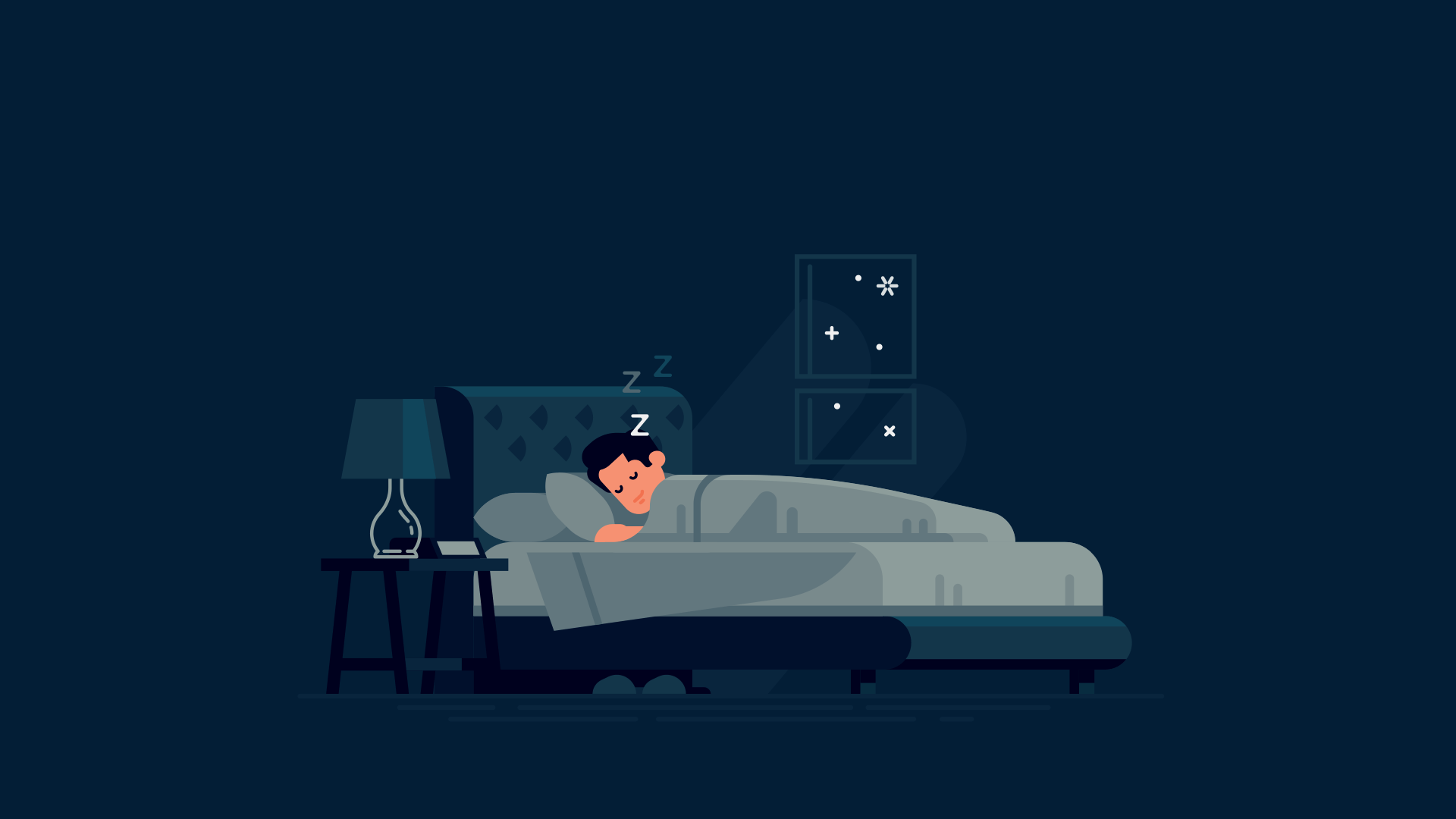
Sleeping is a noun meaning “the state, or condition of being asleep” (Oxford English Dictionary). It’s a word that many students have not yet encountered, but soon should. Have you ever stayed up late to finish a new movie or to cram for a test for the very next day? I assume we all have, for many different reasons. We tell ourselves it’s only once and we’ll catch up on the weekends, but we rarely appreciate the impact it has on our mental and physical health.
Sleep is an essential biological process that allows the body to settle into a state of deep relaxation, allowing the body a moment of rest. For example, heart rate and blood pressure generally decrease when sleeping. People who do not get enough sleep have a higher risk of strokes, obesity, and even coronary heart disease. But it doesn’t only have an effect on physical health, multiple studies have discovered a direct correlation between emotional instability and sleep. Stanford Medicine Researchers have found that people who struggle with insomnia (a disorder that causes difficulties in the ability of sleeping and falling asleep) were 10 times more likely than the average person to develop depression, and also 17 times more likely to develop anxiety.
To improve sleep, as crazy as it sounds, here are 5 easy and simple habits.
- Avoid blue light before bed
- Tire yourself out (Exercise)
- Set a schedule – and stick to it!
- Limit caffeine
- Make your sleep environment comfortable
To start off, avoid using electronics right before going to bed. Electronic screens emit a light called blue light, whose wavelengths suppress sleep signals. In more detail, circadian rhythms is a sort of internal clock that our bodies have that signals important stuff like when it’s time to go to bed. Artificial lights, especially blue light, affect our circadian rhythms negatively. Blue light stimulates our brains, making us feel more alert and attentive, which is great during the day. At night, blue light suppresses melatonin, the hormone that signals sleepiness. Therefore, to avoid poor sleep, doctors recommend avoiding screens for a minimum of 30 minutes before bed (ideally 1 hour).
Secondly, daytime physical activities promote deeper sleep. In short, although it is still being researched to find out why, studies suggest that exercise increases “sleep drive” and can help balance a person’s circadian rhythms. Research shows that adults with insomnia often exercise less than those without. Not only that, but exercise’s impact on physical health can also play a big role in a person’s ability to fall asleep. For instance, a person who does moderate to heavy exercise tends to maintain a healthier weight and decreases the risk for obstructive sleep apnea (a condition in which a person stops breathing while they are asleep for short periods of time), therefore increasing the chances for better sleep.
Thirdly, setting and keeping a schedule has proven to be quite beneficial for many people. In actuality, routines support consistency and efficiency. By creating a daily routine featuring everything that needs to be done and allocating time slots, you are giving yourself a goal to be met. Most people have some competitiveness in them, so this sort of system often encourages them to continue and persevere through the challenge. By the time everything is done, you have enough time to get ready and get into bed.
Fourthly, limiting caffeine is obvious but often more difficult for some. Adenosine is a chemical that slowly releases throughout the day, building up and creating a sense of sleepiness. Caffeine blocks adenosine, therefore making the person feel more awake and alert, if you will. Avoid caffeine in the afternoon or at least at night to promote better sleep.
Lastly, make your sleep environment more comfortable. If the bed is uncomfortable or you are feeling cold at night, the quality of sleep will suffer. By creating a calm environment with a comfortable setup, the chances of great sleep quality increase significantly.
To conclude, use these evidence-based tips to aim for sufficient sleep (8-10 hours generally for teens, 7-9 for adults), visit your pediatrician/doctor if nothing seems to work to make sure that it’s not a serious issue. Thank you for reading this article, and see you next time!
Balachandran, Dave. “13 healthy sleep habits.” MD Anderson Cancer Center. Last modified August 22, 2025. Accessed October 26, 2025. https://www.mdanderson.org/cancerwise/healthy-sleep-habits.h00-159778812.html.
Fountain, Lauren. “Caffeine and Sleep.” Sleep Foundation. Last modified July 16, 2025. Accessed October 26, 2025. https://www.sleepfoundation.org/nutrition/caffeine-and-sleep.
Fountain, Lauren. “Exercise and Sleep.” Sleep Foundation. Last modified July 29, 2025. Accessed October 26, 2025. https://www.sleepfoundation.org/physical-activity/exercise-and-sleep.
“How many hours of sleep is enough?” Mayo Clinic. Last modified February 1, 2025. Accessed October 26, 2025. https://www.mayoclinic.org/healthy-lifestyle/adult-health/expert-answers/how-many-hours-of-sleep-are-enough/faq-20057898.
“How Sleep Works – Why Is Sleep Important?” NHLBI NIH. Last modified March 24, 2022. Accessed October 26, 2025. https://www.nhlbi.nih.gov/health/sleep/why-sleep-important.
Newsom, Rob. “Blue Light: What It Is and How It Affects Sleep.” Sleep Foundation. Last modified July 11, 2025. Accessed October 26, 2025. https://www.sleepfoundation.org/bedroom-environment/blue-light.
“Obstructive sleep apnea.” Mayo Clinic. Last modified July 14, 2023. Accessed October 26, 2025. https://www.mayoclinic.org/diseases-conditions/obstructive-sleep-apnea/symptoms-causes/syc-20352090.
R., Ellie. “The Secret Benefits of Routines. It Won’t Surprise You.” Headspace. Last modified October 9, 2023. Accessed October 26, 2025. https://www.headspace.com/articles/the-secret-benefit-of-routines-it-wont-surprise-you.
Tompa, Rachel. “How sleep affects mental health (and vice-versa): What the science says.” Stanford Medicine. Last modified August 11, 2025. Accessed October 26, 2025. https://med.stanford.edu/news/insights/2025/08/sleep-mental-health-connection-what-science-says.html.